
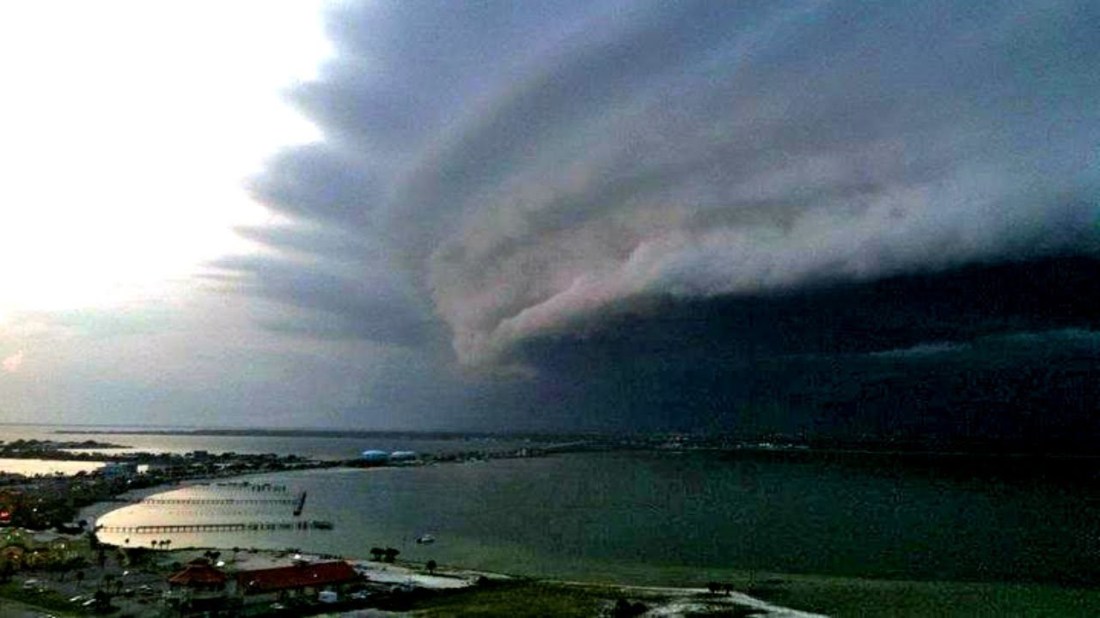
Ominous clouds loom over the horizon as ferocious winds tear trees from the ground. Heavy rains ensue and violent waters invade the streets, the same streets that are usually bustling with life. The storm surge takes its toll as the remaining life is stripped away, water seizing every vacant spot in homes and bodies. Katrina, Harvey, Irma, Jose, and now Florence. This story is not unknown to us, and the impacts of storms like these are becoming costlier and deadlier.
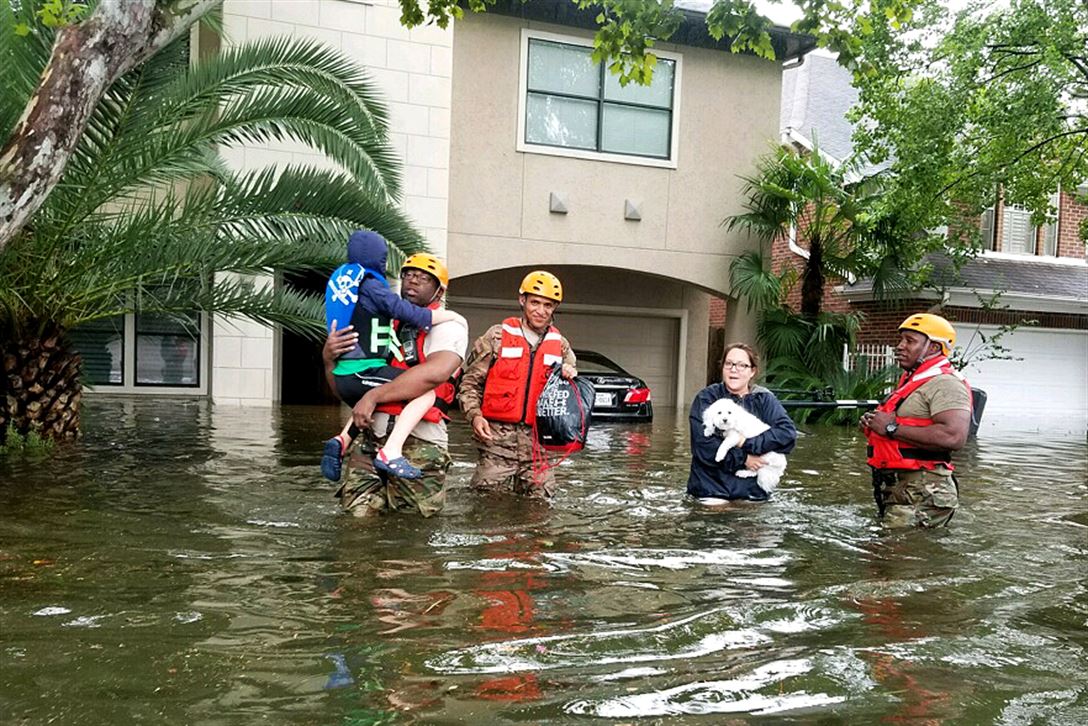
In 2017, Hurricane Harvey made landfall in southern United States, affecting primarily Texas and Louisiana. The storm hit particularly hard in the Houston metropolitan area, as the flat lands were overcome by floods and people were forced onto their rooftops, anxiously waiting for help that rarely arrived. First responders, overwhelmed with calls, worked tirelessly to rescue as many people as possible, but the lack of an evacuation order from city and state officials left most of the Houston population stranded in the flooded city struggling for their lives. Was Mayor Turner unaware of the threats that a category 4 hurricane posed to his beloved Houston? Or was he looking to redefine ‘southern hospitality’ by welcoming Harvey with open arms?
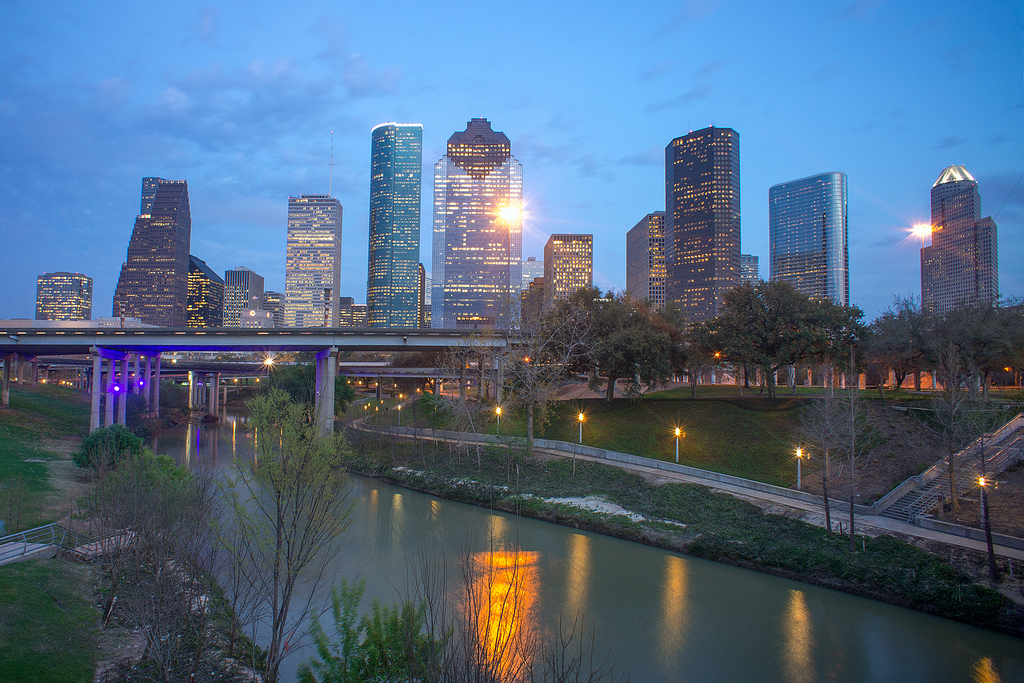
Houston, lovingly nicknamed “Bayou City” because of the various waterways that run through the metropolis, is conveniently located in flood-prone terrain. What were once flood plains turned into flooded suburbia in the presence of Harvey and other major storms. But this did not come as a surprise to scientists and engineers familiar with the Houston area. Phil Bedient, an engineering professor at Rice University and co-director of the Storm Surge Prediction, Education, and Evacuation from Disasters (SSPEED) Center, claims that Houston has no protection against disastrous flooding, the city is a “sitting duck,” and it is no longer a matter of if flooding will occur, but rather when.⁶ Regardless, Houston is not prepared, which became evident when confronted with Harvey.
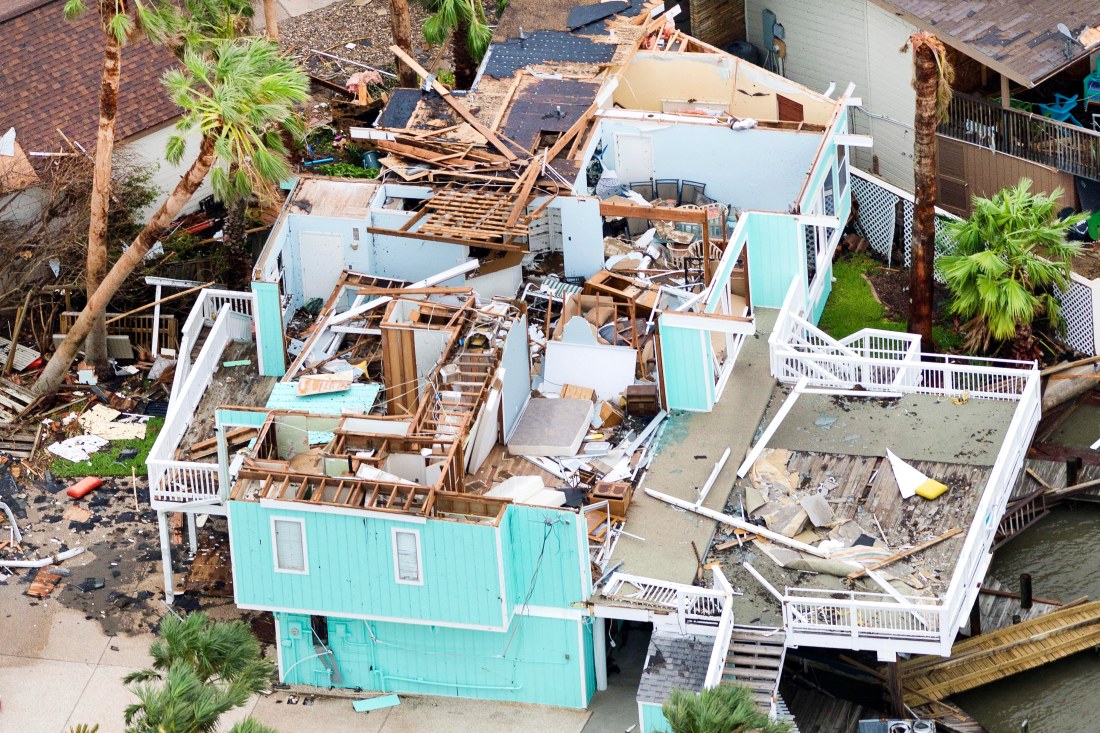
The natural composition of coastal Texas is bad enough. Low-lying terrain composed of slow draining clay calls for careful planning in development to avert crisis, which was absent in the most recent urban expansions.⁶ With unprecedented growth and urbanization, Houstonians resorted to developing inside reservoirs originally designed to alleviate flooding.³ Poor city planning coupled with massive floods and the lack of an evacuation order created the perfect storm. Houston incurred an estimated total cost of 125 billion dollars and 82 fatalities.⁵ That is 125 billion dollars and 82 deaths too many. Catastrophe was maximized, even though many steps could have been taken to prevent it.
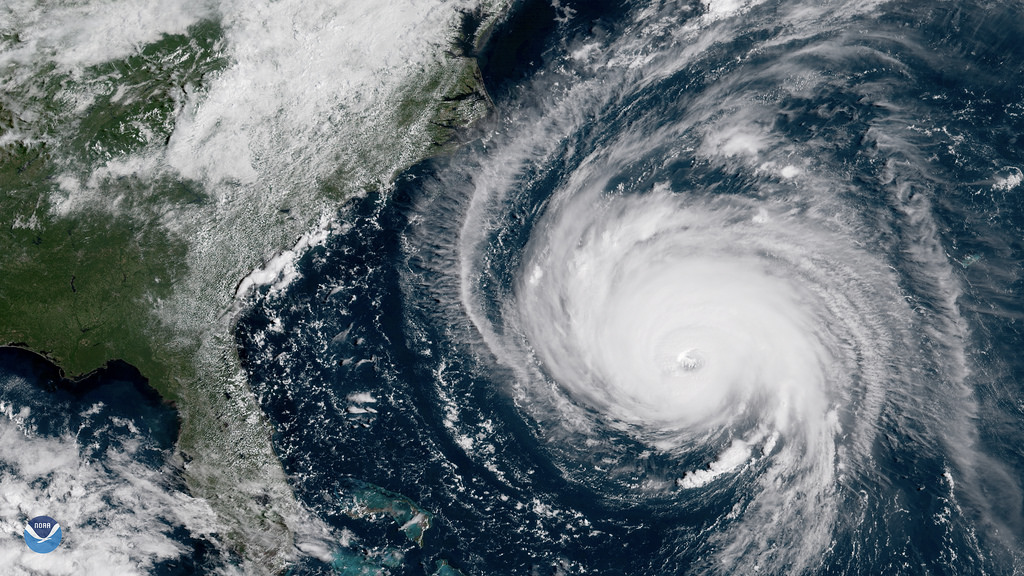
But the story of Houston and Harvey is not unique. A more recent example of our blatant disregard for warning signs has come in the form of another hurricane. Hitting further east in continental United States, hurricane Florence has devastated the Carolinas. Though geographic circumstances are much different, infrastructural damage during Florence has been comparable to that of Harvey. An early estimate showed that the states affected by Florence could incur a total cost of at least 170 billion dollars, which would make it the costliest hurricane in the history of this country.²
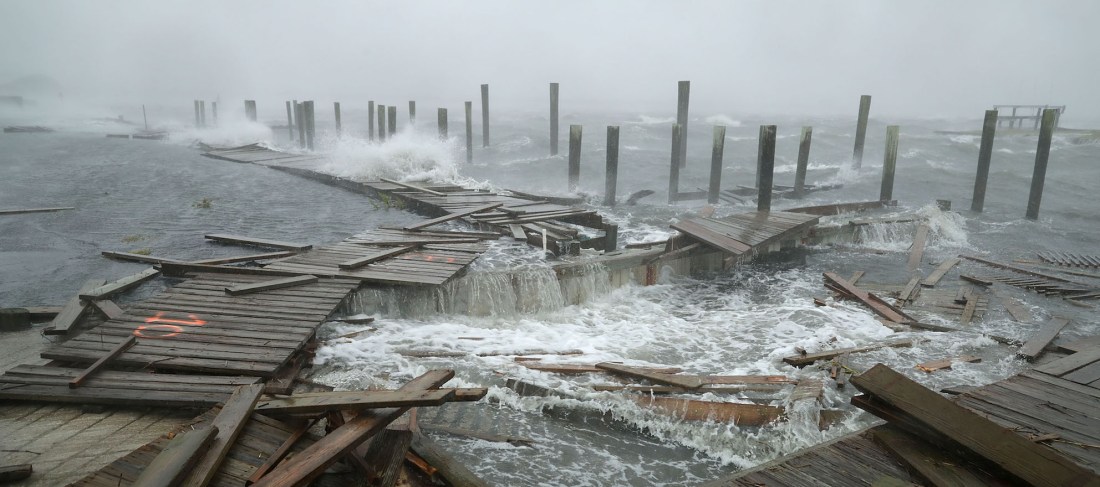
As hurricane Florence continues to develop, no one knows exactly what damages Virginia and the Carolinas will be left to clean up, but it is not looking pretty. So far there are at least 18 people dead and approximately 740,000 homes and business without power, and though the hurricane has been downgraded to tropical depression, flash flooding and tornadoes are still imminent threats.² As outsiders observe this catastrophic event, the inevitable question arises: could the damages have been prevented? The answer is, without a doubt, yes.
The actual occurrence of these destructive events is beyond human control, but actions toward minimizing casualties, both in human lives and monetary form, can and should be taken. But how could the east coast, specifically North Carolina, have minimized the impacts of devastating events such as Florence? For starters, they could have avoided developing in vulnerable coastal areas that were susceptible to rising sea levels, a piece of advice that scientists have been practically shouting at policymakers for years now. But “for the sake of business,” North Carolina’s House Bill 819 passed favoring development.⁴ What these clever developers did not realize was that their short-term economic profit would turn into a long-term disaster with expected sea-level rise and stronger tropical storms wreaking havoc on their precious gold mine.
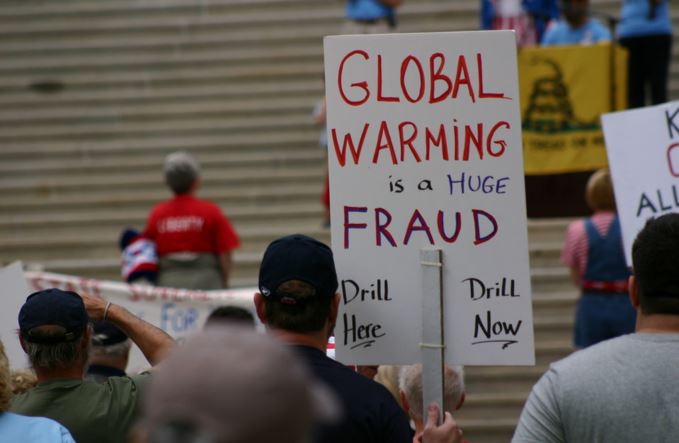
We could go on and on about these natural disasters, what could have and probably should have been done to prevent the damage, but lamenting the past will not safeguard the future. As of late, our tendency to disregard scientific evidence of impending threats has gotten us into trouble. Even though people are living through these disasters and experiencing firsthand the dire consequences of science denial, their votes are continuously putting climate denying public servants into office. By giving these “business oriented” officials the mandate, the people of these states continue to jeopardize their lives. As the Earth’s climate continues to change, and storms become stronger and more frequent, we must take active steps to prevent damage, or suffer the consequences.
But this is not only true regarding hurricanes in the south. The culture of science denial that has risen in the United States has allowed politicians with interests in fossil fuels to govern in a world that is increasingly vulnerable to their effects. But “for the sake of business,” the country continues to invest in industries that pose bigger threats than benefits. Unfortunately, the interests of the few are more important than the safety of the many, and by giving these politicians power through our vote, we are telling them that we agree.
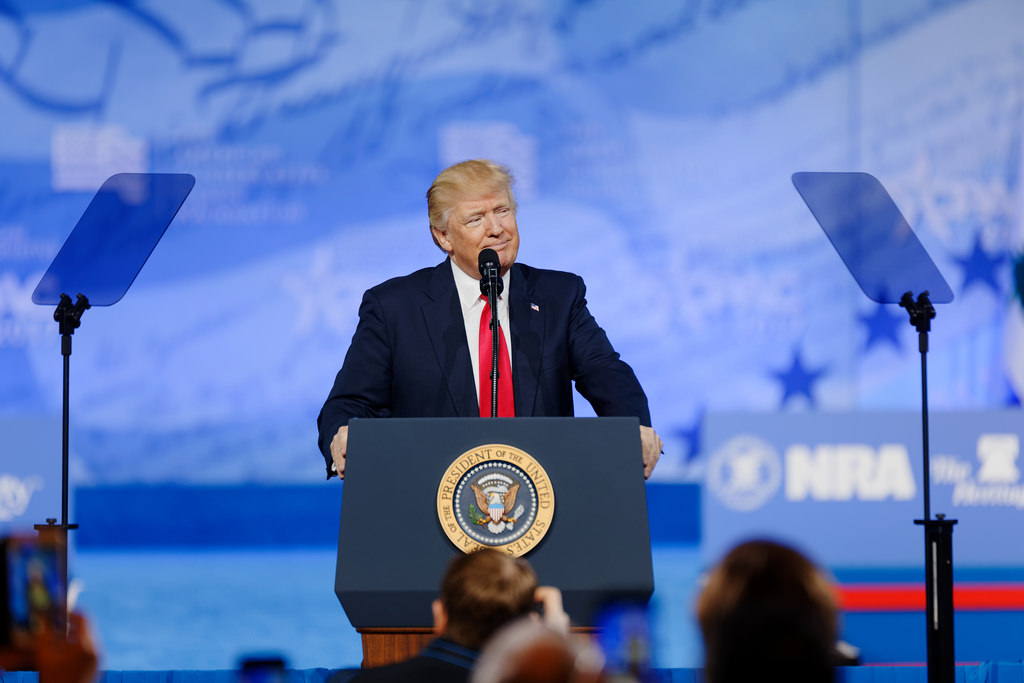
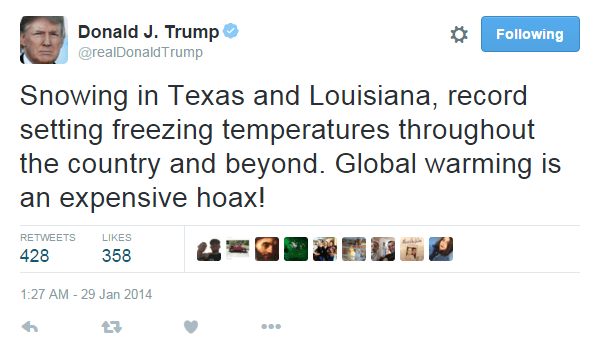
The voices of the minority are louder than the majority with respect to climate change. Studies have shown that Americans who accept climate change outnumber those who do not by a five to one ratio, but the voices of the climate denying community are amplified by Climate Denier in Chief, President Donald J. Trump.¹ Unsupported claims that climate change is a “hoax” are more widely heard than research supported findings stating that climate change is indeed happening and that human fossil fuel emissions are a leading cause.
If the solution depended on sheer numbers of believers versus disbelievers then we would not need to be worried, but the reality is much more complicated than that. It is not simply a matter of believing in the scientific evidence, data, and models that show the effects of human fossil fuel consumption on the earth and its climate, it is about believing that there is something to be done about it. A recent study conducted by Yale University’s School of Forestry and Environmental Studies revealed that only six percent of Americans believe that nations can and will be able to successfully take action to combat climate change.¹ Is this due to to a lack of faith in our world leaders? If so, why aren’t the climate believers electing progressive chiefs into office?
The same Yale study revealed that Americans are linking climate change to extreme weather events, such as hurricanes Harvey and Florence, at higher rates. Of those surveyed, six in ten said they believed that climate change was having an effect on weather in the United States, four in ten said they had personally experienced the effect of those changes.¹ If these numbers provide an accurate representation of the American public, why then are we seeing an increasing divisiveness on the issue of climate change? Is it still a topic that needs to be debated, despite the overwhelming amount of evidence that demands we take action now? Or do we need another major catastrophe to strike a beloved American city to serve as a wake up call?
Will our denial of information, data, and trends continue to get us into troubles like hurricanes Harvey and Florence? Perhaps. Or perhaps the impending damage of our ignorant decisions is much greater than any flood or hurricane we could ever predict. Nonetheless, climate change is not stopping for anyone, and our sense of urgency needs to catch up with the rates at which devastation is striking our country and planet. Science will continue to reveal time and again that there are proactive steps to be taken to prevent catastrophes, we simply need to learn to listen.
References
- “Americans Who Accept Climate Change Outnumber Those Who Don’t 5 to 1.” Yale E360, Yale School of Forestry and Environmental Studies , 18 Apr. 2018, e360.yale.edu/digest/americans-who-accept-climate-change-outnumber-those-who-dont-5-to-1.
- Leefeldt, Ed. “Hurricane Florence Could Be Costliest Storm Ever to Hit the U.S.” CBS News, CBS Interactive, 11 Sept. 2018, http://www.cbsnews.com/news/hurricane-florence-could-be-costliest-hurricane-ever-to-hit-the-u-s/?ftag=CNM-00-10aab4i.
- Satija, Neena, and Kiah Collier. “Houston Officials Knew Homes in the Addicks and Barker Reservoirs Could Flood. Why Didn’t Residents?” The Texas Tribune, The Texas Tribune, 12 Oct. 2017, apps.texastribune.org/harvey-reservoirs/?utm_campaign=trib-social&utm_medium=social&utm_source=twitter&utm_content=1507778503.
- Schwartz, John, and Richard Fausset. “North Carolina, Warned of Rising Seas, Chose to Favor Development.” The New York Times, The New York Times, 12 Sept. 2018, http://www.nytimes.com/2018/09/12/us/north-carolina-coast-hurricane.html.
- “Texas Officials: Hurricane Harvey Death Toll at 82, ‘Mass Casualties Have Absolutely Not Happened’.” The Washington Post, WP Company, 14 Sept. 2017, http://www.washingtonpost.com/national/texas-officials-hurricane-harvey-death-toll-at-82-mass-casualties-have-absolutely-not-happened/2017/09/14/bff3ffea-9975-11e7-87fc-c3f7ee4035c9_story.html?utm_term=.b60838633706.
- “’We’re Sitting Ducks’.” ProPublica, ProPublica, 16 Mar. 2016, http://www.propublica.org/article/houston-ship-channel-hurricane-risk-photo-essay.
 The Climate Chronicles